
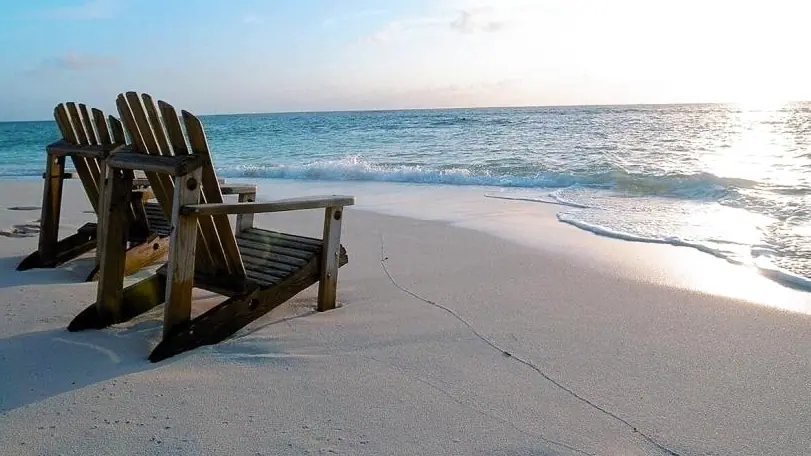
Mask on, snorkel in, and a whole new world opens up just a few metres from the beach. Snorkelling in the Seychelles means corals, colourful reef fish and, with a little luck, a sea turtle gliding past. On Mahé you do not need a boat or years of experience for that: several of our beaches have calm, clear and shallow water, ideal for beginners and families as well as confident swimmers. In this guide we share what we know about snorkelling on Mahé, from the best conditions to the right behaviour in the water.
Snorkelling in the Seychelles: why Mahé is a great base
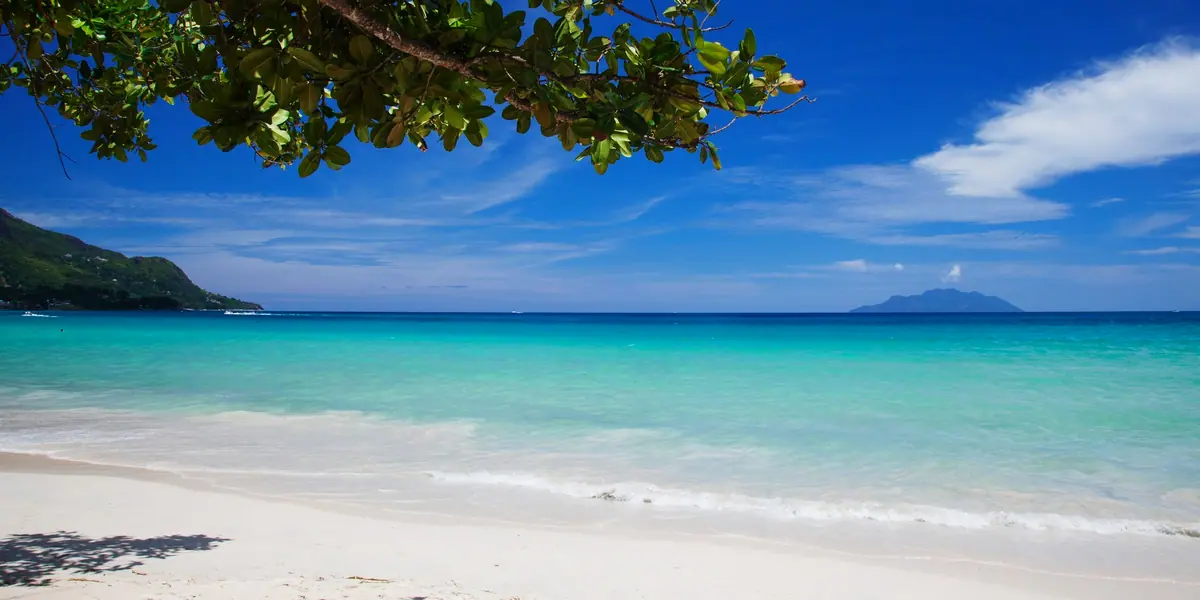
Mahé is the largest island of the Seychelles and a granite island surrounded by reefs, bays and lagoons. Many beaches are protected by a fringing coral reef that calms the swell. Behind it the water is often like a natural pool: warm, clear and easy to enter straight from the sand.
The Seychelles are also a year round destination. The granitic islands lie outside the cyclone belt, so snorkelling is possible in every month. What changes with the seasons is the wind. From about May to September the south east trade winds blow, and some beaches in the south can have strong waves. That is exactly when local knowledge helps: your guide chooses the sheltered side of the island on that day.
Our favourite snorkelling beaches on Mahé
Beau Vallon
The famous bay on the north west coast is protected by a fringing reef. The water is usually calm, perfect for swimming and a first try with mask and snorkel. Beau Vallon is also lively, with local fishermen, Seychellois families and beach restaurants nearby.
Sunset Beach
A small, hidden beach in the north of Mahé. Few people come here, and the snorkelling is very good. A lovely spot for a quiet hour in the water.
Anse Royale
A long, wide beach on the south east coast and a perfect place for snorkelling. There are several restaurants on the beach, so you can combine time in the water with a Creole lunch.
Not every beach is made for snorkelling. Some bays in the south west are very flat and shallow, better for lying in the sand than for exploring underwater. On our Beach Tour we build the day around snorkelling stops if you wish, and your guide picks the beaches according to weather, light and tide.
A beginner's guide to snorkelling
Never snorkelled before? No problem. Basic confidence in the water is enough, no previous experience is needed. A few tips make the start easy:
- Fit the mask: put it on your face without the strap and breathe in gently through the nose. If it stays in place, it fits.
- Breathe calmly: practise breathing through the snorkel while standing in shallow water before you swim off.
- Relax your body: lie flat on the water and move slowly with your legs. The less you move, the more fish you see.
- Stay shallow and sheltered: start in calm water close to the beach and stay within your comfort zone.
- Never alone: always snorkel with a partner and follow the advice of your guide about currents.
What you can see underwater
The reefs around Mahé are home to parrotfish, butterflyfish, damselfish, triggerfish, groupers and silvery schools of small fish. In seagrass areas green turtles often graze peacefully, and hawksbill turtles are also found in these waters.
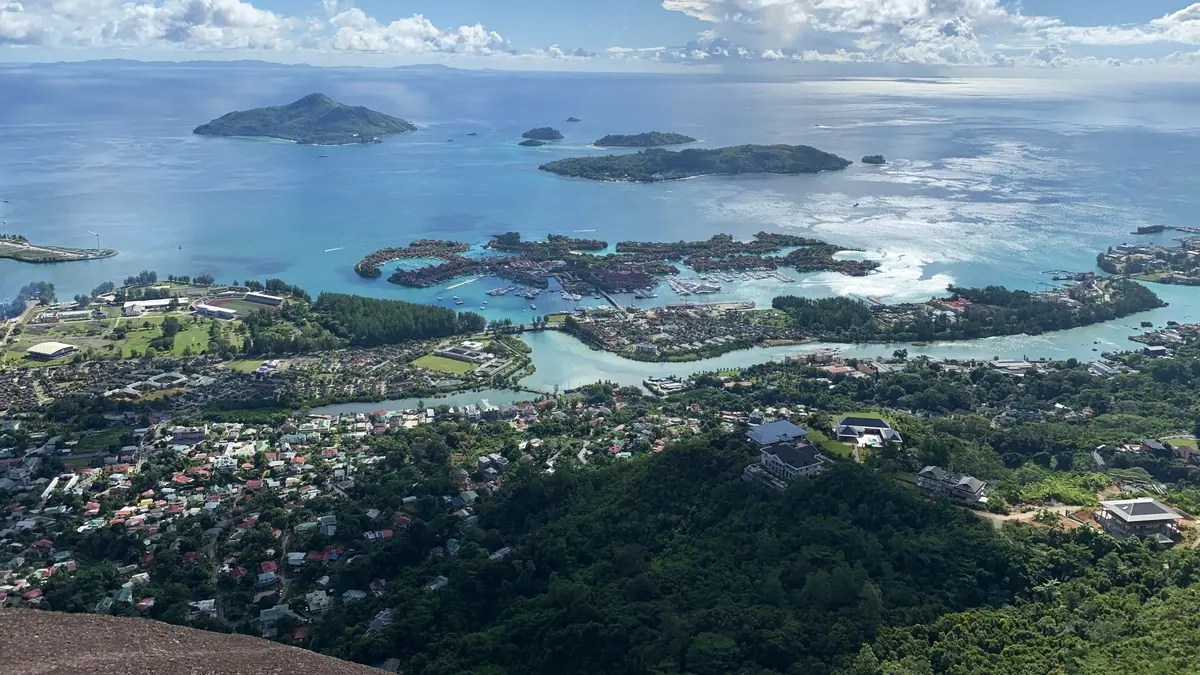
Just off Mahé lies the Sainte Anne Marine National Park, about 5 km from the north east coast, opposite Victoria. Created in March 1973, it is the oldest marine protected area in the western Indian Ocean. It covers 14.43 km², mostly coral reefs, and includes some of the largest seagrass meadows of the granitic islands. More than 150 marine species live in the channels between its six islands: Sainte Anne, Moyenne, Cerf, Round Island, Long Island and Île Cachée. Hawksbill turtles nest on its beaches between November and February, and bottlenose dolphins are sometimes seen at the edge of the park. The islands were settled by the French from 1770 and later served as a military base, whaling station and quarantine site.
Snorkel responsibly
The marine life of the Seychelles is precious and fragile. Please help us protect it:
- Do not touch or stand on corals.
- Take nothing from the sea or the beach, not even shells.
- Keep your distance from turtles and fish, and never feed them.
- Use reef friendly sun cream or wear a UV shirt.
What to bring
Swimwear, a towel, sun cream, a hat and water. If you have your own snorkelling mask, bring it along: a mask that fits you well makes all the difference. Beach shoes are useful on rocky entries, and a waterproof phone case is great for photos.
Snorkelling with Island Tour Seychelles
We are a Seychellois family business on Mahé since 2020. Our tours are private, so the pace is yours: more time in the water, a longer lunch or one more beach, just let your guide know. We pick you up free of charge anywhere on Mahé, and our guides speak English and French, and Sheena also speaks a bit of German. Tell us your date and your hotel, and we will plan a beach day with the best snorkelling spots for the conditions of the day.